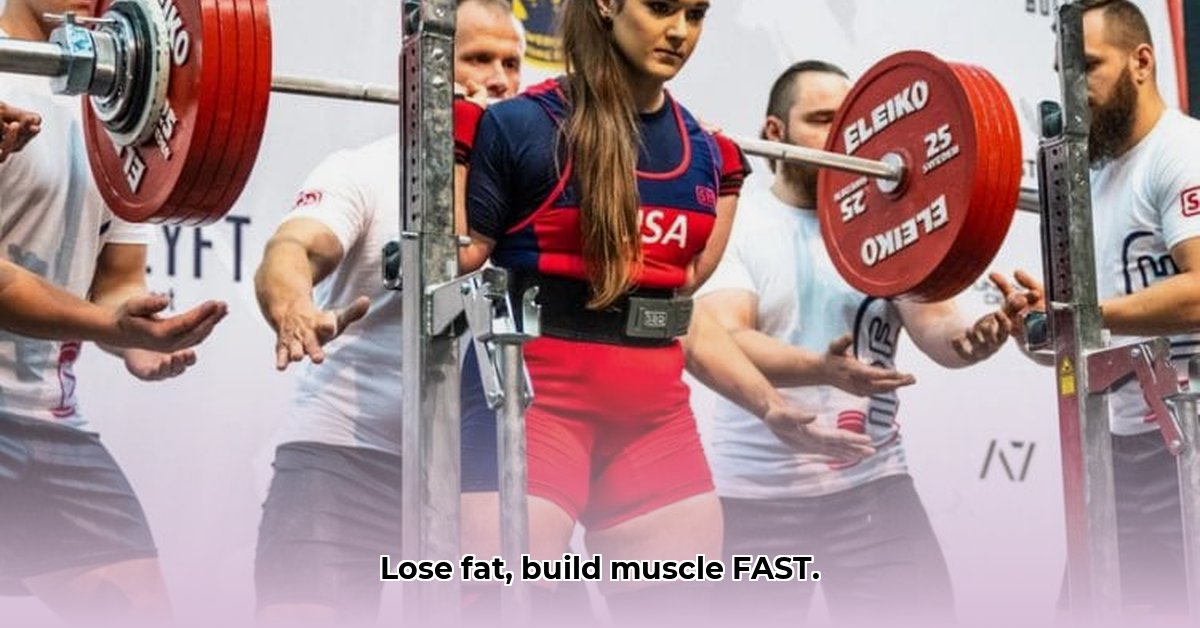
Want to sculpt a lean, powerful physique? Combining powerlifting with a strategic weight-loss plan is a highly effective approach. This guide provides a step-by-step plan to build muscle and burn fat simultaneously—achieving body recomposition. It's not about endless cardio or starvation diets; it's about smart training and nutrition.
Building Your Powerlifting and Weight Loss Program: A Phased Approach
This program utilizes periodization, breaking your training into distinct phases to maximize results and prevent plateaus. Think of it as a strategic campaign, not a frantic sprint.
Phase 1: Building the Foundation (Weeks 1-4)
Master the Fundamentals: Perfect your form on the "big three" lifts: squats, bench presses, and deadlifts. Start with lighter weights to ensure proper technique. Poor form leads to injury and limits your gains.
Gradual Progression: Incrementally increase the weight each week, prioritizing perfect form over excessive weight. Consistency and proper technique are more important than lifting heavy right away.
Consistent Effort: Aim for 3 workouts per week with at least one rest day in between. Regularity is key; sporadic intensity won't deliver the same results.
Phase 2: Muscle Growth (Weeks 5-8)
Increase Volume: Now, we ramp up muscle growth. Increase the number of sets and reps (aim for 8-12 repetitions per set). This higher volume stimulates muscle protein synthesis.
Maintain Moderate Intensity: While increasing volume, maintain a moderate weight. You should feel challenged but avoid pushing to absolute failure on every set. The focus shifts to growth, not just raw strength.
Progressive Overload Continues: Continue to gradually increase the weight lifted over time. This ongoing challenge is critical for continued muscle growth. Don't plateau!
Phase 3: Strength Building (Weeks 9-12)
Boost Intensity: Reduce sets and reps, but significantly increase the weight. Focus on lower rep ranges (3-5 reps) with heavier weights to improve maximal strength.
Maintain Form: Even with heavier weights, perfect form is non-negotiable to prevent injuries.
Strategic Rest: Adequate rest between sets and workouts is vital during this phase. Your muscles need recovery time to grow stronger.
Phase 4: Evaluation and Refinement (Weeks 13-16)
Assess Progress: Evaluate your strength gains and overall progress. Celebrate your achievements!
Analyze Performance: Identify areas of strength and areas needing improvement. This data-driven approach informs adjustments for the next cycle.
Refine Your Plan: Based on your analysis, adjust your plan for the next periodization cycle. This might involve extending, shortening, or modifying exercises to optimize your progress.
Remember: This is a guideline. Adapt the plan to your individual needs and listen to your body. Consistency is crucial, but flexibility is equally important. Don't be afraid to adapt!
Fueling Your Transformation: Nutrition for Optimal Results
Nutrition is paramount; you can't out-train a poor diet. A balanced diet supports muscle growth and fat loss. Aim for a moderate calorie deficit (200-500 calories less than your maintenance level). Tracking your calories and macronutrients (protein, carbohydrates, fats) helps ensure accountability.
Essential Nutritional Strategies:
Prioritize Protein: Consume at least 1 gram of protein per pound of body weight to support muscle preservation and growth. Good sources include lean meats, poultry, fish, eggs, and protein powders. Why? Protein is the building block of muscle.
Complex Carbs for Energy: Choose complex carbohydrates like whole grains, fruits, and vegetables for sustained energy. Avoid refined carbs. Why? Complex carbs provide stable energy without blood sugar crashes.
Healthy Fats: Include healthy fats (avocados, nuts, seeds, olive oil) for hormone production and overall health. Don't fear fats; choose good sources. Why? Fats support hormone function and overall well-being.
Hydration: Drink plenty of water. Dehydration hinders performance and recovery. Why? Water is essential for all bodily functions.
Listen to Your Body: Adjust your calorie intake based on your hunger cues. Avoid overly restrictive diets. Why? Intuitive eating ensures you meet your needs while achieving your goals.
Cardio: A Strategic Supplement
Cardio isn't essential for powerlifting and weight loss, but it complements your strength training. However, prioritize strength training. Limit cardio to 1-2 sessions per week, 20-30 minutes each. Consider low-intensity steady-state (LISS) or high-intensity interval training (HIIT). Why? Overdoing cardio can hinder muscle growth and recovery.
Monitoring Progress and Making Adjustments
Regularly track your weight, body composition, and strength gains. Consistent monitoring ensures you're on track. If you hit a plateau, consider:
- Diet Break: A short period of increased calorie intake to stimulate muscle growth.
- Training Adjustments: Varying sets, reps, or exercises to break the plateau.
- Macro Ratio Adjustments: Changing your protein, carb, and fat intake ratios.
Addressing Common Challenges
Plateaus: Adjust your nutrition and/or training. A diet break or change in training stimulus can often break a plateau.
Muscle Loss: Ensure adequate protein intake and avoid overly aggressive calorie restriction.
Injuries: Prioritize perfect form and listen to your body. Rest and recovery are crucial.
Sample Weekly Plan (Adjustable to Your Needs)
This is a sample plan; adjust based on your fitness level, goals, and recovery capacity.
| Day | Activity | Notes |
|---|---|---|
| Monday | Powerlifting (Squat Focus) | 3 sets of 5 reps, heavy weight |
| Tuesday | Powerlifting (Bench Press Focus) | 3 sets of 8 reps, moderate weight |
| Wednesday | Active Recovery (yoga, light walk) | 20-30 minutes |
| Thursday | Powerlifting (Deadlift Focus) | 1-2 sets of 3 reps (heavy), 2-3 sets of 5 (moderate) |
| Friday | Rest | |
| Saturday | Powerlifting (accessory exercises) | Focus on muscle hypertrophy |
| Sunday | Rest or light activity |
Remember, consistency and patience are key to achieving your powerlifting and weight-loss goals. Embrace the journey, and enjoy the transformation!